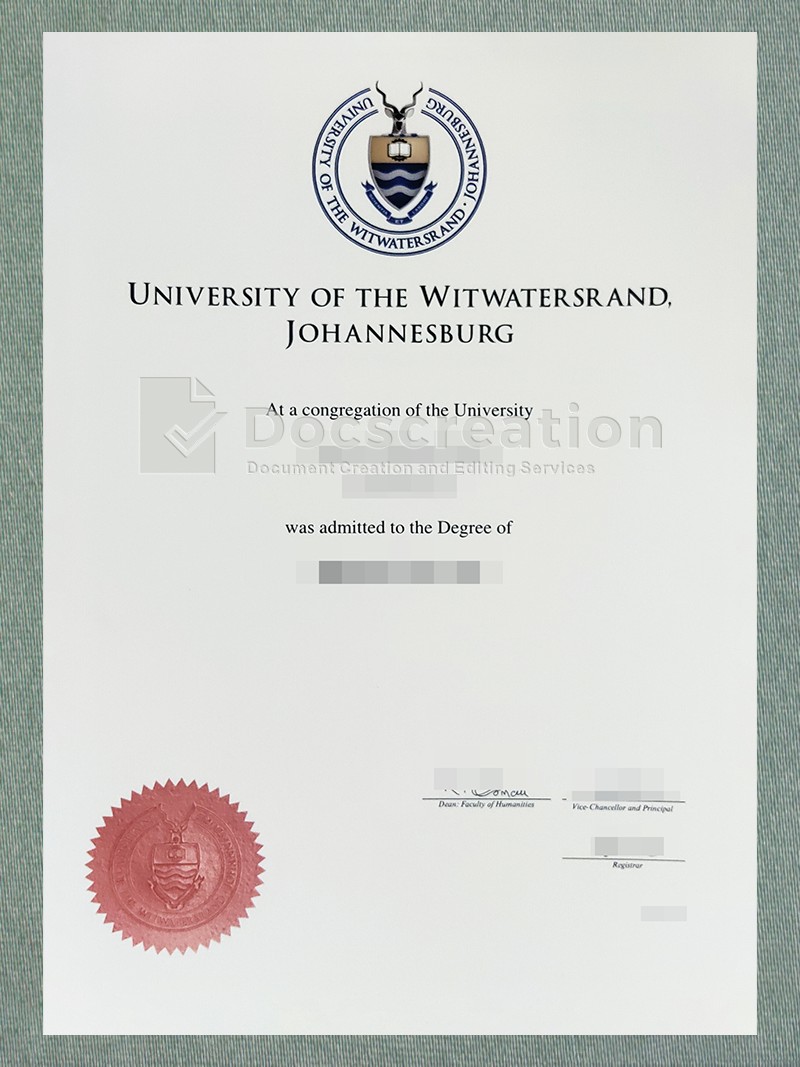
The University of the Witwatersrand (Wits), also translated as university of the witwatersrand, is located in the famous commercial city of Johannesburg.
Located in Johannesburg, a famous economic and commercial center city in South Africa, it belongs to a comprehensive university and enjoys international prestige. It has world-advanced equipment and facilities, high-level teachers, world-leading academic level and scientific research achievements.
Vision and mission
University of the witwatersrand has won a reputation for exploring freedom and pursuing truth, and has established a high-quality education and research center in Johannesburg, the South African industrial and commercial center. University of the witwatersrand’s vision is to “become a world-class research university and enter the ranks of top international universities”, and its mission is to “enhance its global position as a research university, become the cradle of intellectual achievements, provide high-quality education with international competitiveness, and establish effective partnerships with outstanding universities around the world”.
notable alumni
University of the witwatersrand has trained more than 200,000 graduates, who have made great achievements in South Africa and all over the world. So far, university of the witwatersrand has produced four Nobel Prize winners, 91 Rhodes scholars, four national planners and two chief justices. University of the witwatersrand’s four Nobel Prize winners are Aaron Klug who won the Nobel Prize in chemistry in 1982, Nadine Gordimer in Nobel Prize in Literature in 1991, Nelson Mandela in 1993 and Sydney Brenner in medicine in 2002. In South African universities, there are not many people who graduate smoothly on time and get their University of Witwatersrand Document Degree.
Not many people graduate smoothly on time
Not many people graduate on time (three years): the graduation rate of three-year undergraduate courses in university of the witwatersrand is about 32%-36%, that is to say, about one-third of them have finished their studies in the shortest time.
There are many more people who can finally get their degrees: there is a widespread phenomenon of “delayed graduation” in South African universities, and many students need 4-6 years or even longer to complete their studies. Therefore, “the number of graduates in that year ÷ the number of registered students” is only about 20%, which does not mean that only 20% of students will eventually graduate.