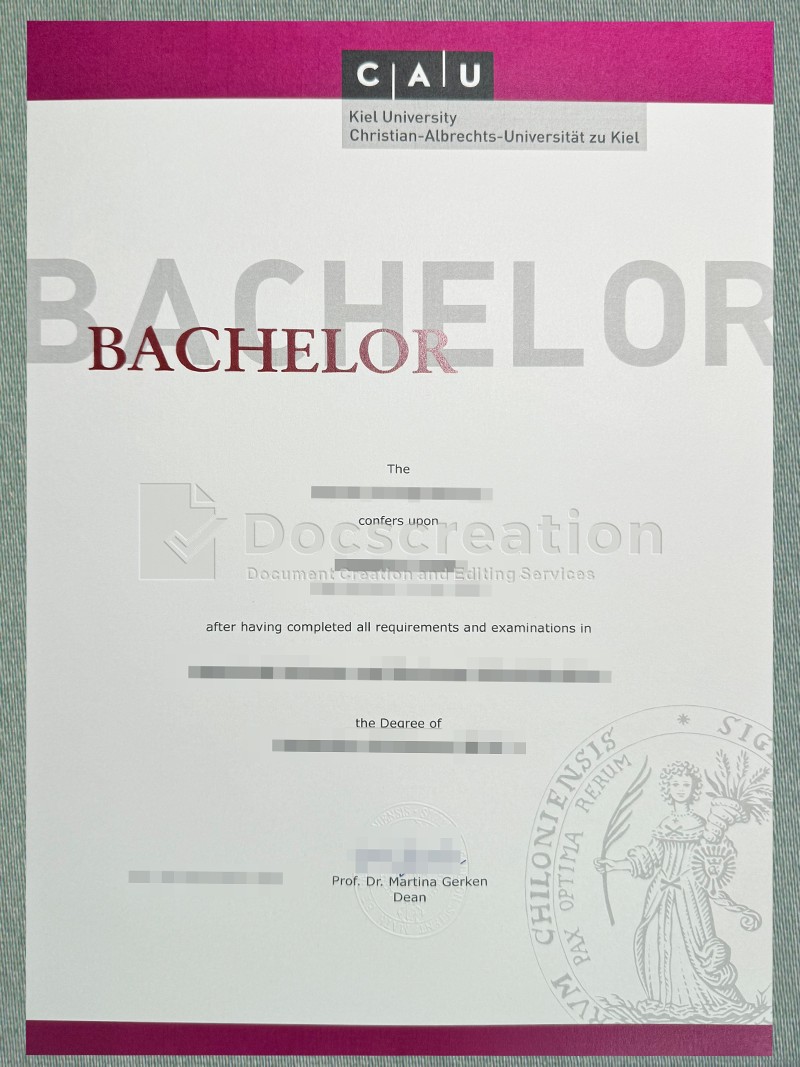
Kiel University was founded in 1665 with a long history and complete disciplines, and it is one of the traditional universities in Germany. A group of prestigious scientists once taught here, such as MaxPlanck, HeinrichHertz, and OttoDiels, a chemist who won the Nobel Prize in 1950. He was one of the six Nobel Prize winners who taught in Kiel.
Located in northern Germany, it is the capital of Schleswig-Holstein and a medium-sized city with a population of more than 200,000. Located on the Baltic Sea and embracing Kiel Bay, Kiel City has been the main naval base of Germany since the 1960s, the center of German shipbuilding industry and the eastern end of Kiel Canal. Kiel’s sailing competition is very famous, and Kiel Week is one of the biggest sailing competitions in the world. Nearby attractions include Kiel Beach, Nicholas Church and Schilksee.
Kiel University consists of eight colleges:
1. Faculty of Law
2. Faculty of Mathematics and Natural Science
3. Faculty of Agricultural and Nutritional Science
4. Faculty of Arts and Humanities
5. Faculty of Theology
6. Faculty of Medicine
7. Faculty of Business, Economics and Social Science
8. Faculty of Engineering
Degree types of University
Type of Kiel University Dokument Urkunde
The types of degrees in Christian-Albrechts-Universit Zukiel mainly include Bachelor, Master, Staatsexamen, Diplom/Kirchlicher Abschluss and Doctoral.
Specifically: bachelor’s degree is the main stage, and some majors, such as medicine, pharmacy and law, adopt national examinations; Master’s degree is divided into single major and double major modes, covering a wide range of fields such as arts, science, industry, commerce and medicine; In addition, a small number of diplomas or church degree programs are retained. Ph.D. students can study in economics and other fields.