Utrecht University (English: Utrecht University; Dutch: Universiteit Utrecht) is a world-leading public research university, one of the oldest universities in Europe, and one of the Netherlands’ top three ‘U-type universities’. It is a member of the World University Alliance and has repeatedly been ranked first in the Netherlands by U.S. News; it has also held the top spot in the Netherlands in the ARWU rankings for 17 consecutive years.
What is the environment like at UU?
In the Netherlands, the weather is the most unpredictable thing of all. The Dutch often say that you can experience all four seasons in a single day, and this is certainly true. You might step out into bright sunshine in the morning, only for strong winds to pick up five minutes later, followed by a torrential downpour half an hour on, and if you’re really unlucky, you might even encounter hail. Yet the Dutch still manage to cycle in the rain and rarely need an umbrella in light to moderate rain. Wind speeds in the Netherlands can sometimes reach levels comparable to those on the eve of a typhoon, so the best advice is to check the weather forecast before heading out. Even if there’s only a 20 per cent chance of rain, do take an umbrella or wear a waterproof jacket!
What is the academic atmosphere like at UU?
UU is truly academic, academic, academic!! This point must be emphasised. Following informal assessments by the Faculties of Life Sciences, Economics and the Faculty of Arts, everyone agreed that UU places a very high priority on academic standards. The workload—whether in reading, writing or calculations—is substantial, and the focus is on genuinely understanding the literature and methodologies. Although some students briefly considered dropping out at the start of the term due to the immense pressure, those who persevered found that the material covered earlier proved extremely useful when writing their theses later on.
Key factors for obtaining your degree
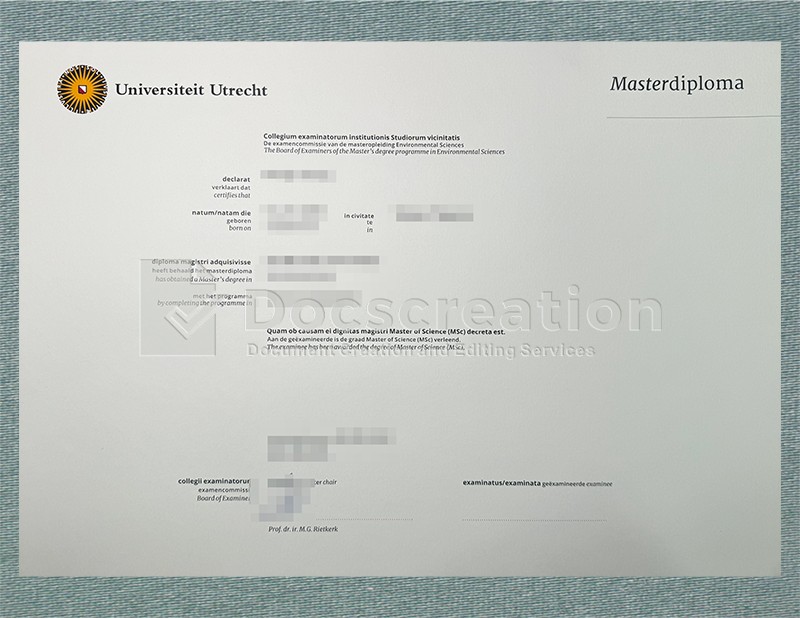
To obtain a Print Utrecht University Masterdiploma, you must accumulate 60 EC credits and complete a Master’s thesis.
Both compulsory and elective modules must be passed. Generally, you must have accumulated at least 25 EC before you can begin your dissertation. The dissertation typically accounts for 15 EC; once it has been assessed as satisfactory by your supervisor, it must be submitted via the OSIRIS system. The final step is to apply for graduation; the application form must be submitted by the 15th of each month. Only after the Examination Board has reviewed and confirmed that all requirements have been met will the degree certificate be issued.